Water bills to rise 36 per cent as Ofwat approves 104bn pound investment plan
The regulator's five-year settlement means an average of 31 pounds a year more on bills. The question now is whether the companies deliver.
Water bills in England and Wales will rise by an average of 36 per cent over the next five years, before inflation, under the price settlement set by Ofwat for 2025 to 2030. The regulator's final determinations allow 104 billion pounds of investment, the largest package it has ever approved.
The average household bill will rise by 31 pounds a year, 157 pounds in total over the period. Ofwat allowed more than its draft proposals but less than the 40 per cent average rise the companies had requested.
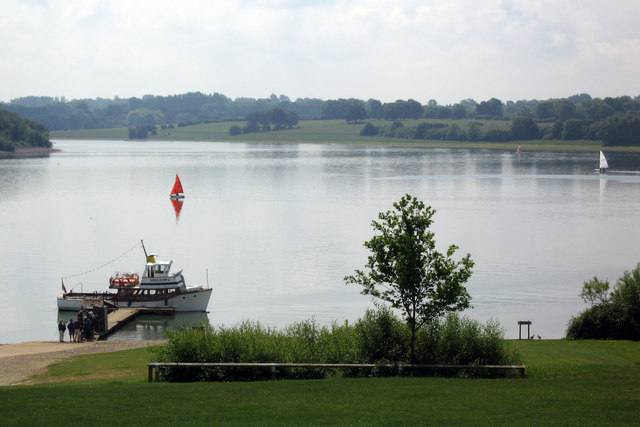
The settlement is aimed at the industry's twin failures: pollution and underinvestment. Nearly 12 billion pounds is earmarked to cut spills from storm overflows by 45 per cent by 2030, from 2021 levels, and 30 major infrastructure projects, including nine new reservoirs, are to strengthen drought resilience.
Customers will rightly expect the companies to show they can deliver significant improvement over time to justify the increase in bills.David Black, Ofwat
Crisis-hit Thames Water, which had sought a 53 per cent rise, was permitted 35 per cent. The company was separately fined 18.2 million pounds after Ofwat found its dividend payments breached its licence conditions.
A new claw-back mechanism is meant to answer the oldest complaint in the industry: money not spent on promised investment must be returned to customers through lower bills. Ofwat has also doubled support for customers who cannot pay.
The Consumer Council for Water welcomed the protections but warned that average bills will rise 53 per cent after inflation by 2030, and that two in five customers had already found the proposed increases unaffordable.
Customers will rightly expect the companies to show they can deliver significant improvement over time to justify the increase in bills, Ofwat's chief executive David Black said. The money is approved. The trust must now be earned.
None to date. The Journal corrects errors promptly and transparently. Read our corrections policy.