Bank rate-setter says Bank mishandled its response to the Iran war shock
Catherine Mann says errors in the Bank's communications pushed up borrowing costs without bearing down on inflation, and backs a rate rise.
A Bank of England rate-setter has said the central bank made errors in how it framed its policy response to the shock from the Middle East war, pushing up borrowing costs in the UK in ways that should be of no comfort to officials.
Catherine Mann, an external member of the Monetary Policy Committee, said the rise in market interest rates after the outbreak of the Iran war reflected expectations of higher inflation and possibly a "monetary policy uncertainty premium", rather than genuinely tighter financial conditions.
"Against this backdrop, as a monetary policymaker, I cannot take comfort from tighter nominal financial conditions when much of that tightening reflects a higher inflation risk premium and, possibly, a monetary policy uncertainty premium that our own decisions and communications may have contributed to," she said in a speech at the Nomura London Macro Forum in Manchester on Thursday.
In my view, real financial conditions are insufficiently tight.Catherine Mann, Bank of England rate-setter
She traced the premium to the Bank's initial response in March to the outbreak of war in Iran, when it held interest rates with a message that investors perceived as "wait mode", rather than taking the action she said was needed to control inflation.
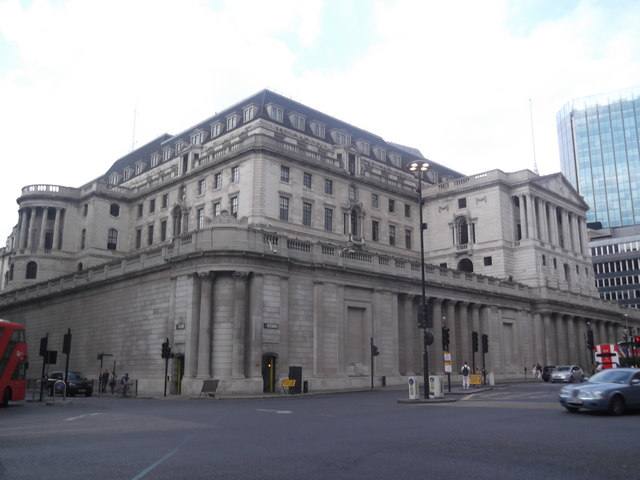
Mann, who voted for a rate rise at the Bank's last meeting, said the rise in bond yields was unlikely to cool the economy enough to tame inflation, and signalled she was likely to vote for an increase again when the committee meets next month. "In my view, real financial conditions are insufficiently tight," she said. "The appropriate response is to reduce inflation risk and policy uncertainty through a clearly communicated reaction function and a sufficiently restrictive path for Bank Rate."
The Bank left its key interest rate at 3.75 per cent last month, and investors expect an increase to 4 per cent in November. Annual inflation rose to 3.1 per cent in August from 2.9 per cent in July, well above the Bank's 2 per cent target. Her stance stands in contrast to that of Governor Andrew Bailey, who has said that the rise in market borrowing costs had bought the Bank time to consider whether it needed to raise rates itself.
None to date. The Journal corrects errors promptly and transparently. Read our corrections policy.