Yellow cold-health alert covers three northern regions from Sunday night to Thursday morning
The UK Health Security Agency has placed the North East, the North West and Yorkshire and the Humber under a yellow cold-health alert from 9pm on Sunday 15 November until 9am on Thursday 19 November, warning that low temperatures could affect people who are particularly vulnerable. The other six regions of England are not covered.
A new cold-health alert takes effect across northern England on Sunday evening. In an update published on 14 November 2026, the UK Health Security Agency placed three regions, the North East, the North West and Yorkshire and the Humber, under a yellow alert running from 9pm on Sunday 15 November to 9am on Thursday 19 November. The agency's data dashboard lists the same three regions at yellow and records no current cold alert for the other six regions of England.

The alert replaces a different map. The season's first alert, issued on 10 November, covered the North West and the West Midlands from the morning of Thursday 12 November until midday on Saturday 14 November. In the new notice the West Midlands drops away, the North West stays in place, and the North East and Yorkshire and the Humber are added, shifting the focus of concern to the north of the country for the coming week.
Yellow is the lower of the alert levels that signal possible harm. Under the Weather Health Alerting system, which the agency runs jointly with the Met Office, a yellow alert is used for cold spells that are unlikely to trouble most people but may affect those who are particularly vulnerable. The system's core season runs each year from 1 November to 31 March, and the dashboard describes its purpose as giving early warning when adverse temperatures are likely to affect health and wellbeing.
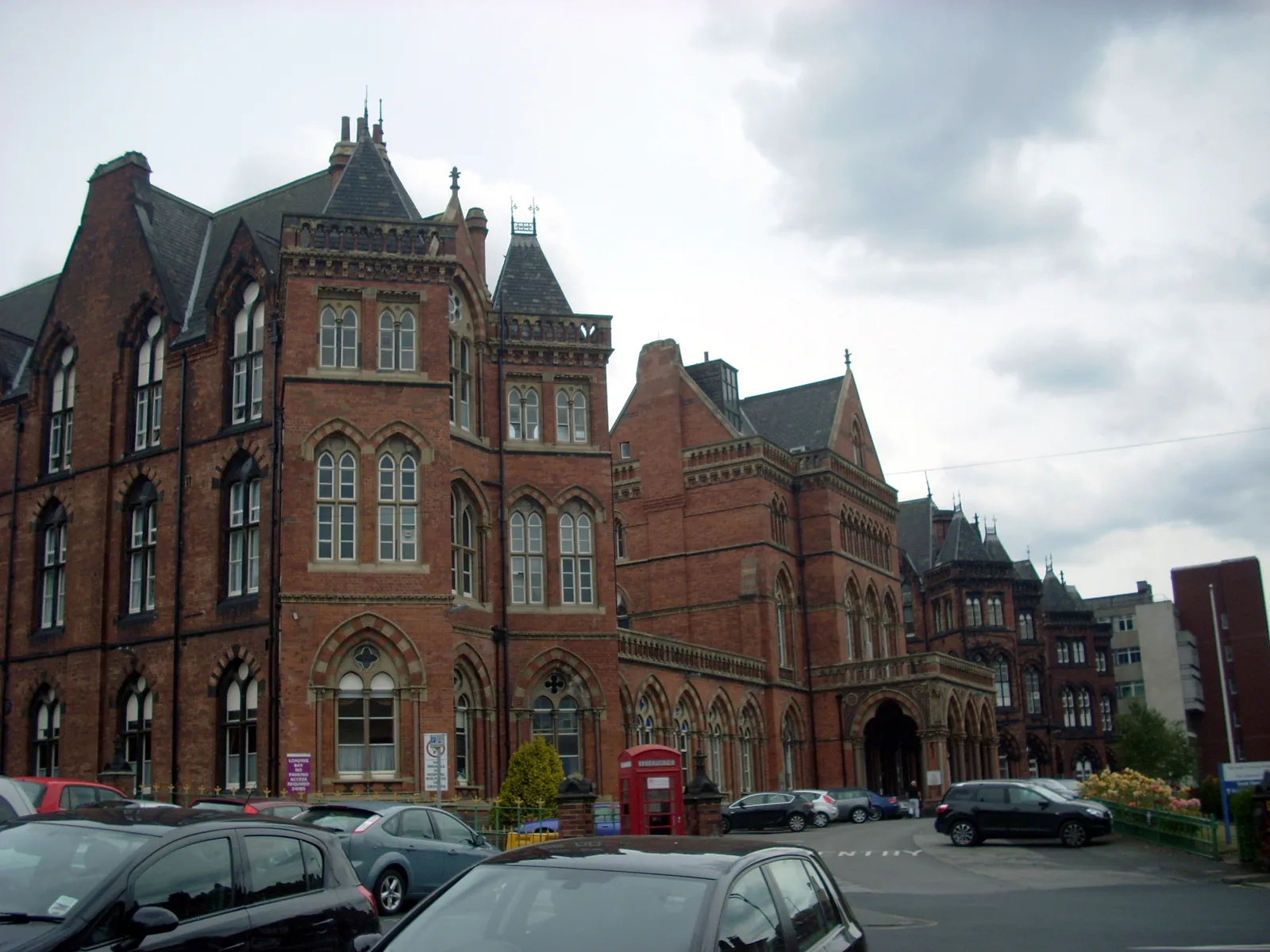
Yellow is used for cold spells unlikely to trouble most people but which may affect those who are particularly vulnerable.Daily Herald
The groups named by the agency are specific. Cold conditions can bring heavier use of health services by vulnerable people and a greater risk to the health of people aged 65 and over, people with existing conditions including respiratory and cardiovascular disease, and other vulnerable groups such as people sleeping rough. The alert is therefore aimed in large part at the health and social care services that support those groups, as well as at the public.
The agency's advice, given by its consultant in public health Paul Coleman, is practical rather than alarmist. He described the notice as the latest alert of the season and said more could be expected as winter deepens. People are urged to check on friends, family and neighbours who may be most at risk, to heat the rooms they spend most of their time in, such as a living room or bedroom, where they can, and to dress warmly during the colder weather.
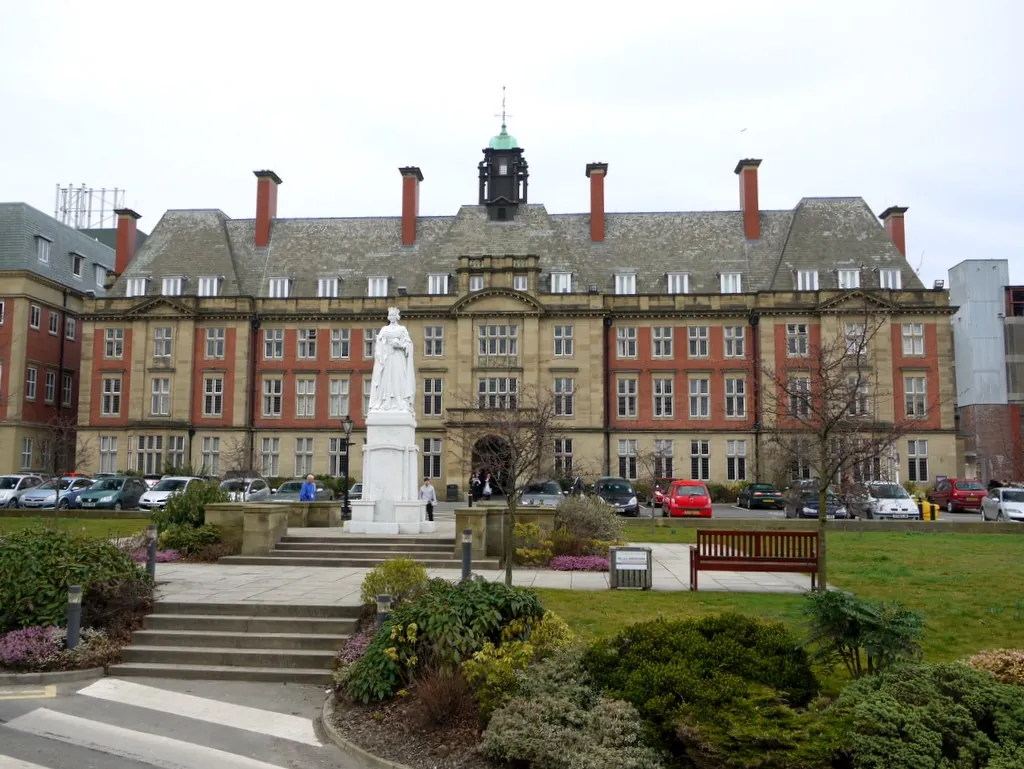
Separate guidance sits behind the alert for those who need it. The agency has published material for professionals protecting vulnerable people during cold weather and advice for the public on staying safe, and its dashboard carries the current alert status region by region for anyone who needs to check whether their area is covered before the alert period ends on Thursday morning.
None to date. The Journal corrects errors promptly and transparently. Read our corrections policy.