The Lords after the hereditaries: what the Act changed, and what it did not
Royal Assent came in March and the excepted peers left in April. The chamber is different now, but the deeper questions about the second chamber remain.
The right of hereditary peers to sit in the House of Lords has ended. The House of Lords (Hereditary Peers) Act 2026 received Royal Assent on 18 March, and its provisions came into force when the 2024-26 parliamentary session ended on 29 April, with the departure of the excepted hereditary peers.
The reform completes a process begun by the House of Lords Act 1999, which removed all but 92 hereditary peers under a cross-party compromise, with vacancies among those 92 filled by by-elections. The Starmer government introduced the new bill in September 2024 to fulfil a manifesto commitment.
Seventy-seven hereditary peers left the House at the end of the session: the 76 excepted peers eligible to sit, and one excepted peer on leave of absence. Three of those sitting as hereditaries, the Earl of Kinnoull, Lord Addington and Earl Russell, already held life peerages and continued uninterrupted. Some of the excluded peers have since returned to the House as life peers.
For the first time in centuries, no one sits in Parliament simply because of who their father was.Daily Herald
The passage was not smooth. The Lords amended the bill at report and third reading in July 2025; the Commons disagreed with most of the amendments that September; and the Lords did not insist the following March, after the Government agreed an allocation of life peerages for the Opposition and the crossbenchers, whose work had relied heavily on the experience of hereditary peers.
What changed is the principle: no one now legislates by right of birth. What did not change is the method of selection. The House remains appointed, the Prime Minister's power of patronage is untouched, and the wider reform programme, a retirement age and a cap on numbers, remains unfinished business.

Critics of the reform argue that removing the hereditaries without addressing the appointed majority leaves the democratic question exactly where it was. Supporters reply that ending election by birth was the necessary first step, and that a wholly appointed House is at least honest about what it is.
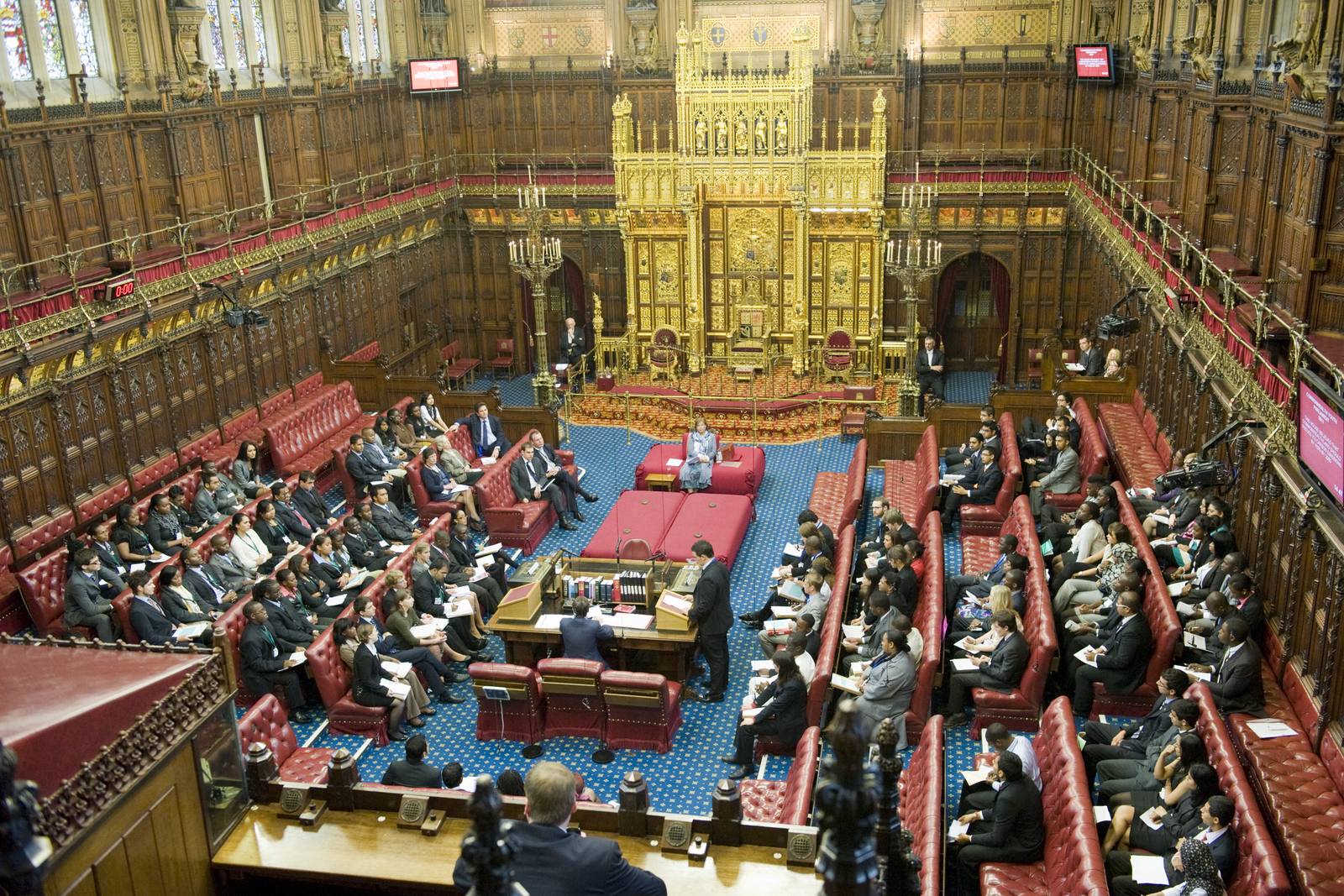
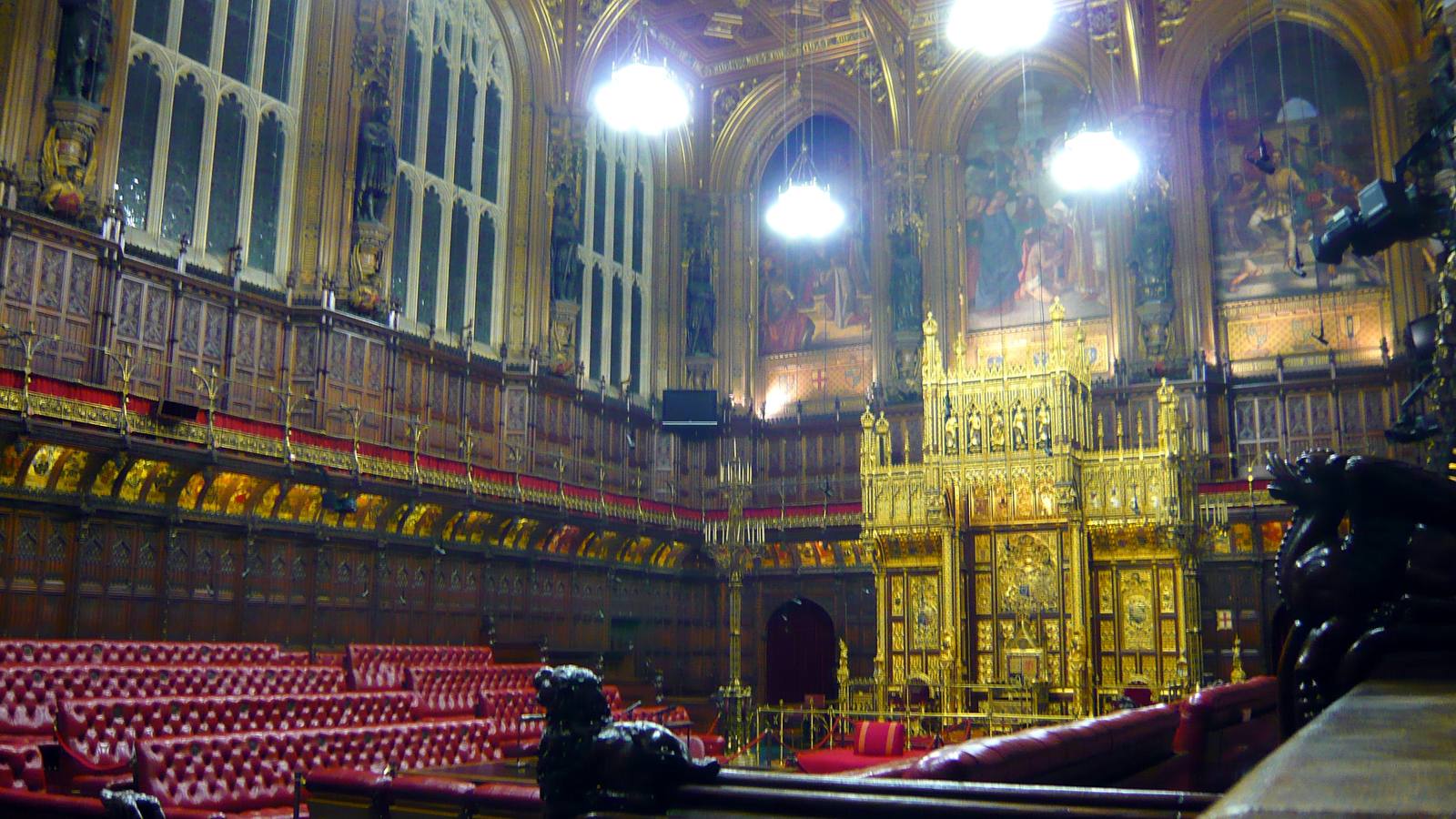
The chamber will look much the same. The red benches remain, the rituals continue, and the work of scrutiny goes on. But for the first time in centuries, no one sits in Parliament simply because of who their father was.
None to date. The Journal corrects errors promptly and transparently. Read our corrections policy.