A newcomer's guide to London
Boroughs, buses and the basics: how the capital works for those who have just arrived.
London rewards the newcomer who learns its structure. The capital is not one city but many: thirty two boroughs and the ancient City of London, each with its own character, its own high street, its own way of doing things.
Above the boroughs sits Greater London, governed by a directly elected Mayor and a twenty five member London Assembly. The Mayor runs transport, policing strategy, housing and the environment; the Assembly holds the Mayor to account in public.
The borough councils are the layer you will meet first. They run schools, collect the bins, maintain the parks and decide planning applications. Find your borough early: it is the front door of local government.
London is not one city but many.
In the Square Mile, the rules are older. The City of London Corporation, centuries old, governs the financial district with its own traditions, its own police force, and a Lord Mayor distinct from the Mayor of London.
Getting around is run by Transport for London. The Underground, the buses and the river services take Oyster cards and contactless payment: touch in as you board, and on the Tube and the river touch out too, and the fare is calculated for you.
Health care begins with a GP. Register with a local surgery and the National Health Service, free at the point of use, covers your care, from the family doctor to the hospital.

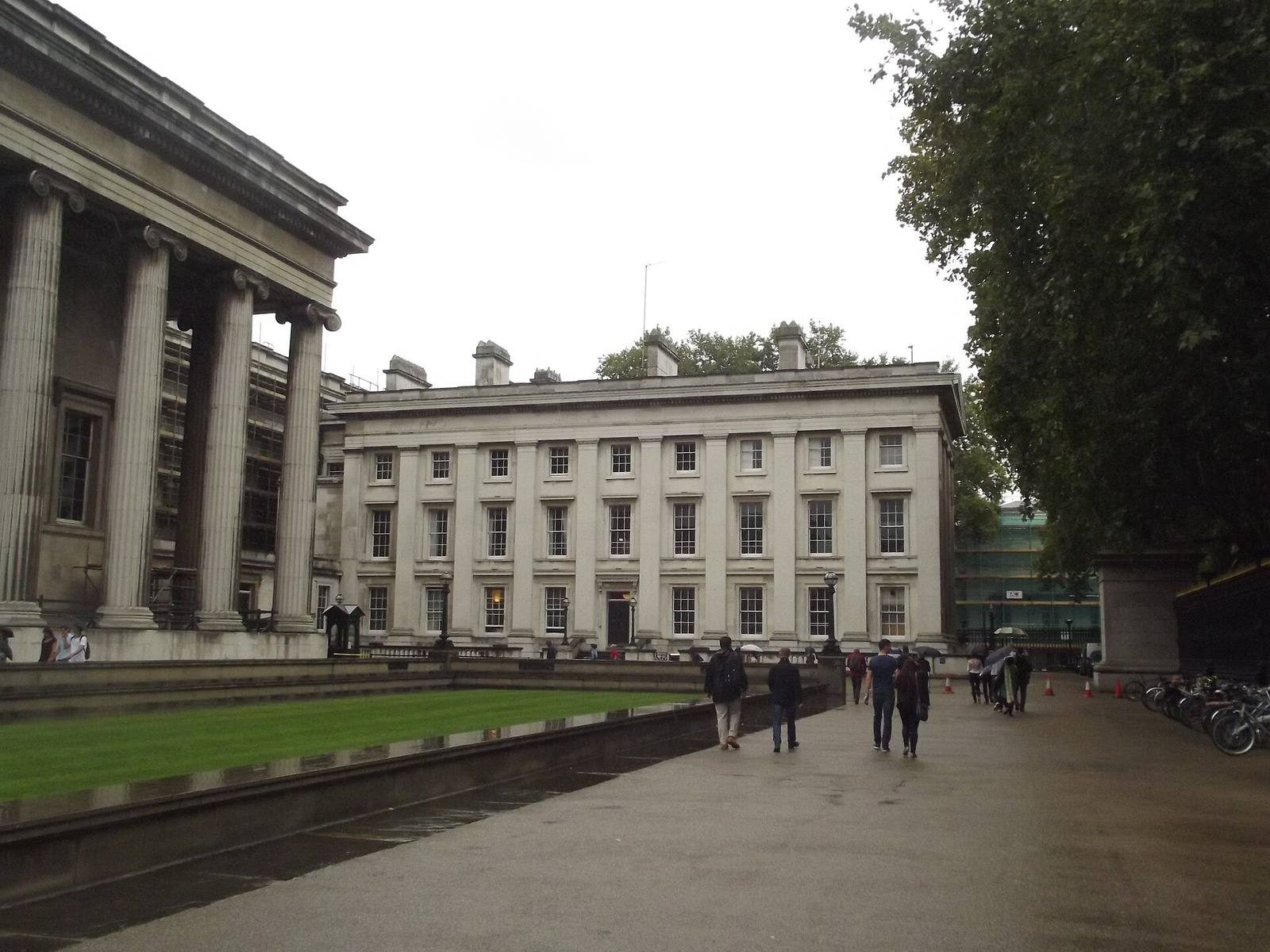
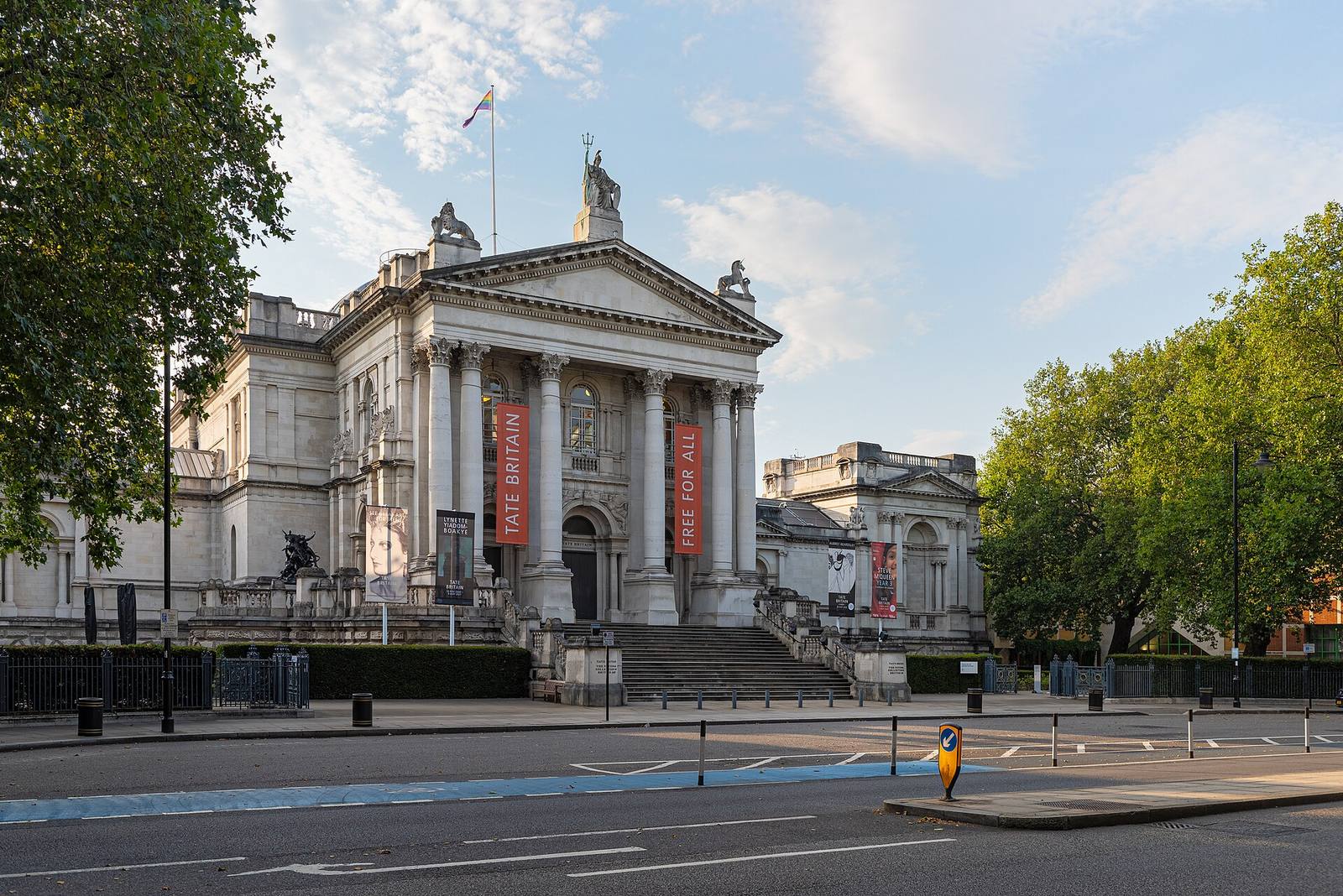
London's great museums cost nothing to enter. The British Museum, Tate Britain and their peers open world collections without charge: the best free education the city offers.
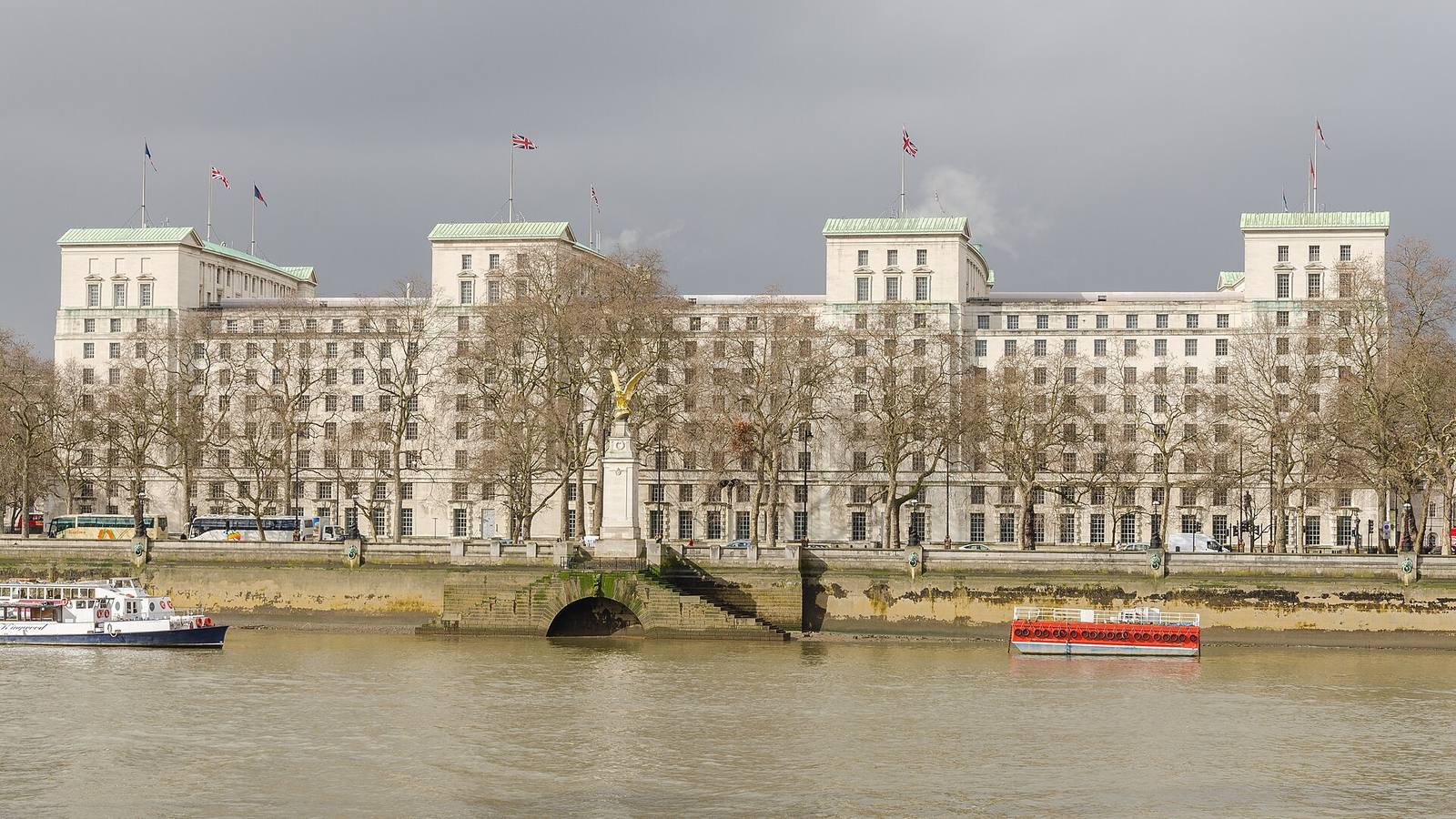
The state is never far away. Whitehall, a short walk from the river, houses the departments of government, and the capital's public life, from Assembly meetings to select committees, is open to anyone who wishes to watch.
Learn the boroughs, register with a GP, tap in on the bus, and walk the museums on a rainy Saturday. London does the rest.
None to date. The Journal corrects errors promptly and transparently. Read our corrections policy.